Why Your Child’s Fever Isn’t Always a Bad Sign
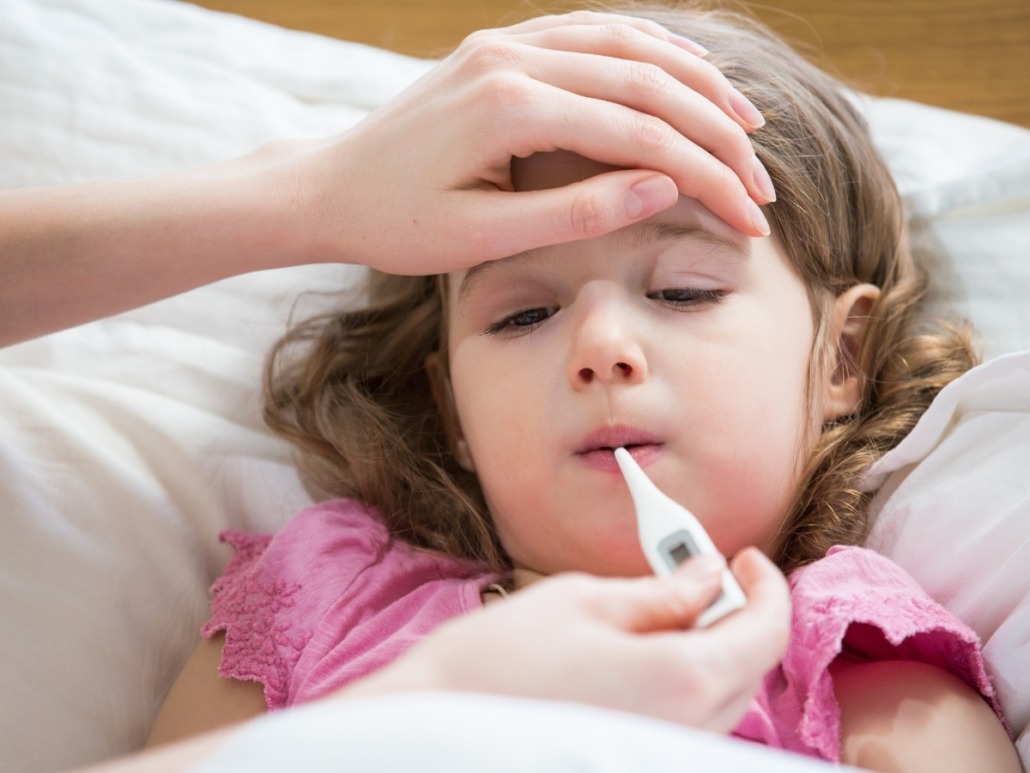
As a parent, it’s natural to worry when your child has a fever. A warm forehead or rising thermometer can inevitably trigger immediate concern—and the urge to bring their temperature down as quickly as possible. But here’s something many parents don’t realize: In most cases, a fever isn’t the enemy. In fact, it’s a sign that your child’s immune system is doing exactly what it’s meant to do.
A fever is the body’s natural response to infection or illness—a built-in defense mechanism designed to help your child heal. In this article, we take a closer look at what this means, as well as when a fever may actually be a cause for concern.
What is a Fever?
A fever is defined as a temporary increase in body temperature, typically occurring when the body is fighting off an infection or illness. For children, a fever is generally considered to be an oral temperature of 100°F (37.8°C) or higher, though normal body temperature can vary slightly from child to child.
When harmful bacteria, viruses, or other pathogens enter your child’s body, their immune system springs into action. The brain’s hypothalamus, which acts like the body’s internal thermostat, receives signals to raise the body’s core temperature. This increase in heat creates a less hospitable environment for many germs, while also increasing the activity of infection-fighting white blood cells.
And this is a sign your child’s nervous system is properly regulated! When it’s able to effectively mount an immune response, this is a good thing. It means your child has a good chance of fighting off the illness or infection.
When Should You Be Worried?
While most fevers are harmless and beneficial, there are certain situations where a fever warrants immediate medical attention or closer monitoring. Knowing these red flags can help you distinguish between a fever that’s doing its job and one that signals a more serious problem.
Seek immediate medical care if your child:
- Is under three months old and has a fever of 100.4°F (38°C) or higher. Babies between three and six months old should see a doctor for fevers above 101°F (38.3°C).
- Has difficulty breathing, persistent vomiting, severe headache, stiff neck, unusual drowsiness, signs of dehydration, or a rash that doesn’t fade when pressed.
- Has had a fever lasting more than three days (if over two years old) or more than 24 hours (if under two years old). You should also contact your pediatrician if your child’s fever breaks and then returns, or if they develop new symptoms after initially seeming to improve.
- Seems unusually ill, listless, or just “not themselves” in a way that concerns you, regardless of their temperature. You know your child better than anyone, and healthcare providers take parental concerns seriously.
- Has chronic conditions, a compromised immune system, or takes certain medications, as these children may need medical evaluation sooner than otherwise healthy children.
It’s also worth paying attention to your child’s overall fever patterns over time. A child’s fever response—whether they spike high fevers easily, struggle to develop fevers when fighting infections, have prolonged low-grade fevers, or never develop a fever when they should—can sometimes indicate dysfunction within their neuro-immune system.
If your child’s fever response is consistently excessive or suppressive, it could be a sign of underlying nervous system dysfunction—sometimes triggered by early life factors like prenatal stress, birth trauma from interventions such as forceps or vacuum extraction, or frequent early antibiotic use.
Treating Your Child’s Fever
Assuming you’ve gone through the above and your child’s fever is deemed “healthy” in that it’s assisting your child with recovering from a current illness, use these tips to help make them more comfortable and ensure it doesn’t become an emergency:
- Make sure your child stays hydrated with room temperature water and electrolytes. In cases where they may have trouble keeping things down, homemade popsicles may help.
- Ensure they rest, wear lightweight clothing, and have plenty of light blankets they can remove or cover up as needed.
- If they are particularly uncomfortable, you could try a “sponge bath” with lukewarm water. However, avoid cold baths as this can end up raising their core temperature further.
At Highest Health Chiropractic, our team understands how distressing it can be to watch your child in pain or struggling with poor health. Our team focuses on neurologically-focused chiropractic care, ensuring your child and family’s nervous system functions as they should. We’re also pediatric certified, meaning we’re experienced in treating children with chiropractic care. Curious to learn more? Contact your Sioux Falls chiropractor today!